
The Internal Audit Unit is responsible for evaluating the effectiveness of the Company’s internal control systems and ensuring that operational activities align with established policies and procedures. Under OJK Regulation No. 56/POJK.04/2015 on the Formation and Implementation of Internal Audit Unit, the Internal Audit function is tasked with reviewing risk management practices, identifying weaknesses in controls, and recommending improvements. Thus, Internal Audit ensures that the Company’s operations are efficient, compliant, and secure.
Organization Structure of the Internal Audit Unit
Based on the Financial Services Authority (OJK) Regulation No. 56/POJK.04/2015 and the Company’s Internal Audit Charter, the Internal Audit Unit must consist of at least one Internal Auditor. The Head of the Internal Audit Unit is appointed and dismissed by the President Director with the approval of the Board of Commissioners. The Internal Audit Unit reports directly to the President Director, but functionally, the unit has direct communication access with the Audit Committee to coordinate and provide information related to the implementation and results of the audits conducted.
As of November 1, 2025, the organizational structure of the Company’s Internal Audit Unit consists of a Head of Internal Audit Unit and one member responsible for overseeing the overall implementation of internal audit activities.
Duties and Responsibilities
The Internal Audit Unit is tasked with ensuring the effectiveness of governance and internal controls within the Company. Some of the key responsibilities include:
- Annual Work Plan: Creating and implementing the annual audit work plan based on the priorities and needs of the Company.
- Evaluating Internal Control: Testing and assessing the internal control systems and risk management practices in accordance with the Company’s policies.
- Efficiency and Effectiveness: Conducting audits on the efficiency and effectiveness across various areas, including finance and
- Improvement Recommendations: Offering recommendations for improvements based on audit findings to enhance the Company’s performance and management.
- Audit Reports: Preparing audit reports and submitting them to the President Director and Board of Commissioners (through the Audit Committee).
- Monitoring Follow-up Actions: Tracking and reporting the implementation of corrective actions that have been suggested.
- Collaboration with Other Functions: Working closely with the Audit Committee and other governance functions, such as External Audit and Risk Management.
- Audit Quality Evaluation: Developing programs to evaluate the quality of internal audit activities to ensure sustained quality.
Internal Audit Charter
The Internal Audit Charter establishes guidelines for conducting the company’s internal audit activities in accordance with applicable regulations. This allows the internal audit unit to function effectively, efficiently, and professionally within the rights, obligations, and responsibilities assigned to it. The Board of Directors established the Internal Audit Charter and the Board of Commissioners approved it on April 25, 2025. To ensure compliance with regulations and effective implementation, the charter will be periodically evaluated.
Key aspects of the Internal Audit Charter include:
- Vision and mission
- Purposes of Internal Audit Charter
- Scope
- Structure and capacity
- Duties and responsibilities
- Authority
- Code of Ethics
- Membership requirements
- Accountability
- Independence
- Stipulation and Renewal of the Charter


Ernest Alto


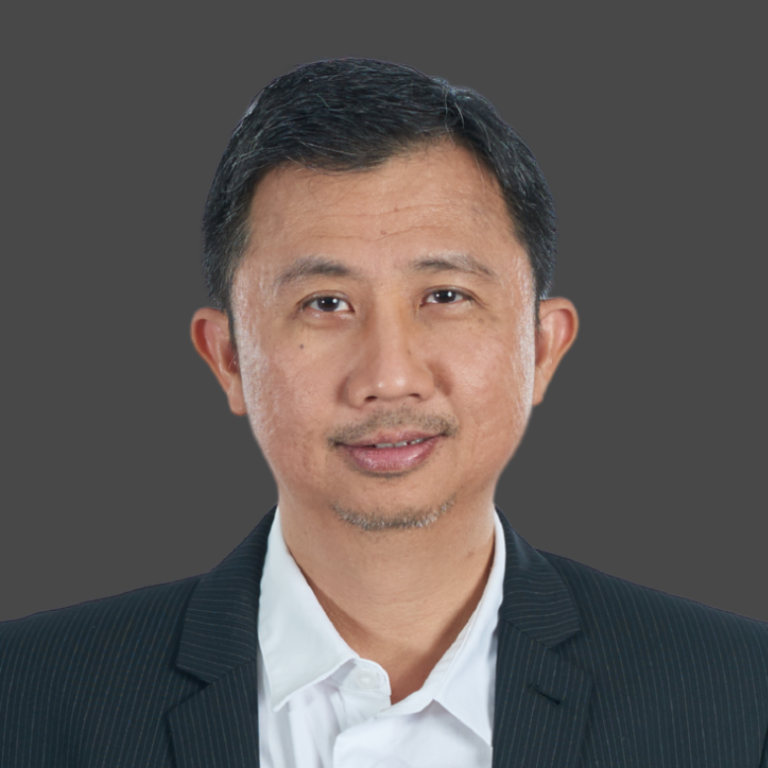
Ernest Alto is a 53-year-old Indonesian citizen residing in Jakarta. On November 1, 2025, he was appointed Head of Internal Audit based on the Board of Commissioners’ Circular Letter No. CSS.76-2025 and the Board of Directors’ Letter of Appointment No. CSS.75-2025.
From 1995 to 1999, he began his professional career at the accounting firm Prasetio Utomo and Partners (Arthur Andersen & Co). He then worked as Corporate Controller at Media Indonesia Group (1999–2002) and continued his career at PT Siemens Indonesia, where his last position was Chief Risk Officer (2002–2015). Subsequently, he served as VP Risk, Compliance and Performance Management at PT Telkom Tetranet Aplikasi Solusi (Telkomtelstra) (2015–2017) and Chief Audit Executive at PT Mitra Pinasthika Mustika Tbk (2017–2019), as well as Chief Financial Officer at PT Tiga Pilar Sejahtera Food Tbk. Since 2021, he has also served as the Head of the Internal Audit Unit of PT Lippo Karawaci Tbk.
Ernest Alto obtained a Bachelor of Accounting degree from Padjadjaran University, Bandung, in 1995 with the State Register of Accountants No. D-14281, updated to No. RNA20146. He also holds a Master of Management degree from the Institut Pengembangan Manajemen Indonesia (IPMI) and a Master of Law degree from the University of Indonesia. He is a member of the Indonesian Institute of Accountants and a certified Chartered Accountant (CA), as well as a member of the Institute of Internal Auditors (IIA) and a Certified Internal Auditor (CIA) (CSN 37212) (2002). He is also qualified as a Certified Management Accountant (CMA) (CID-0441) (200) from the Institute of Certified Management Accountants (ICMA) Australia.